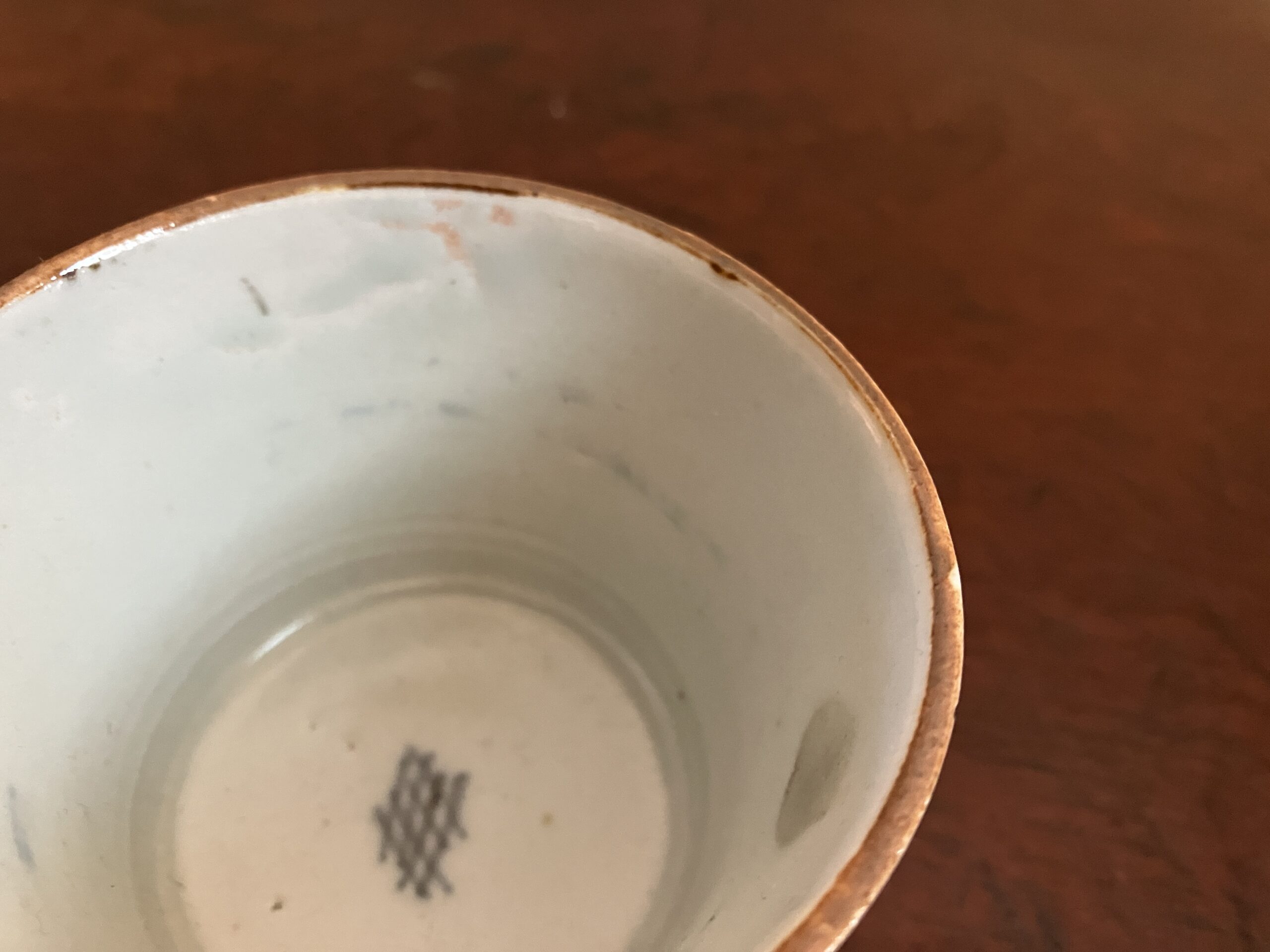
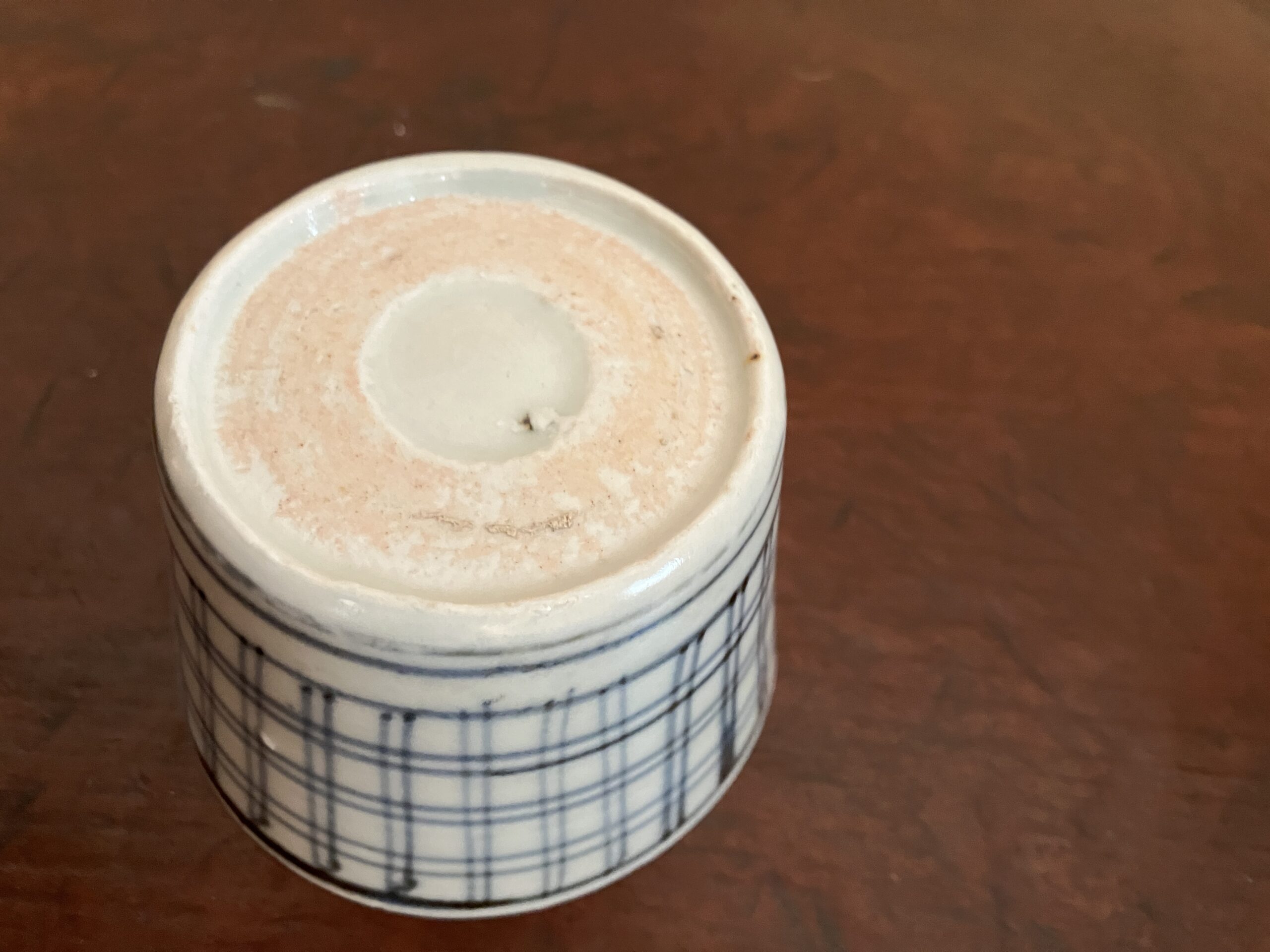
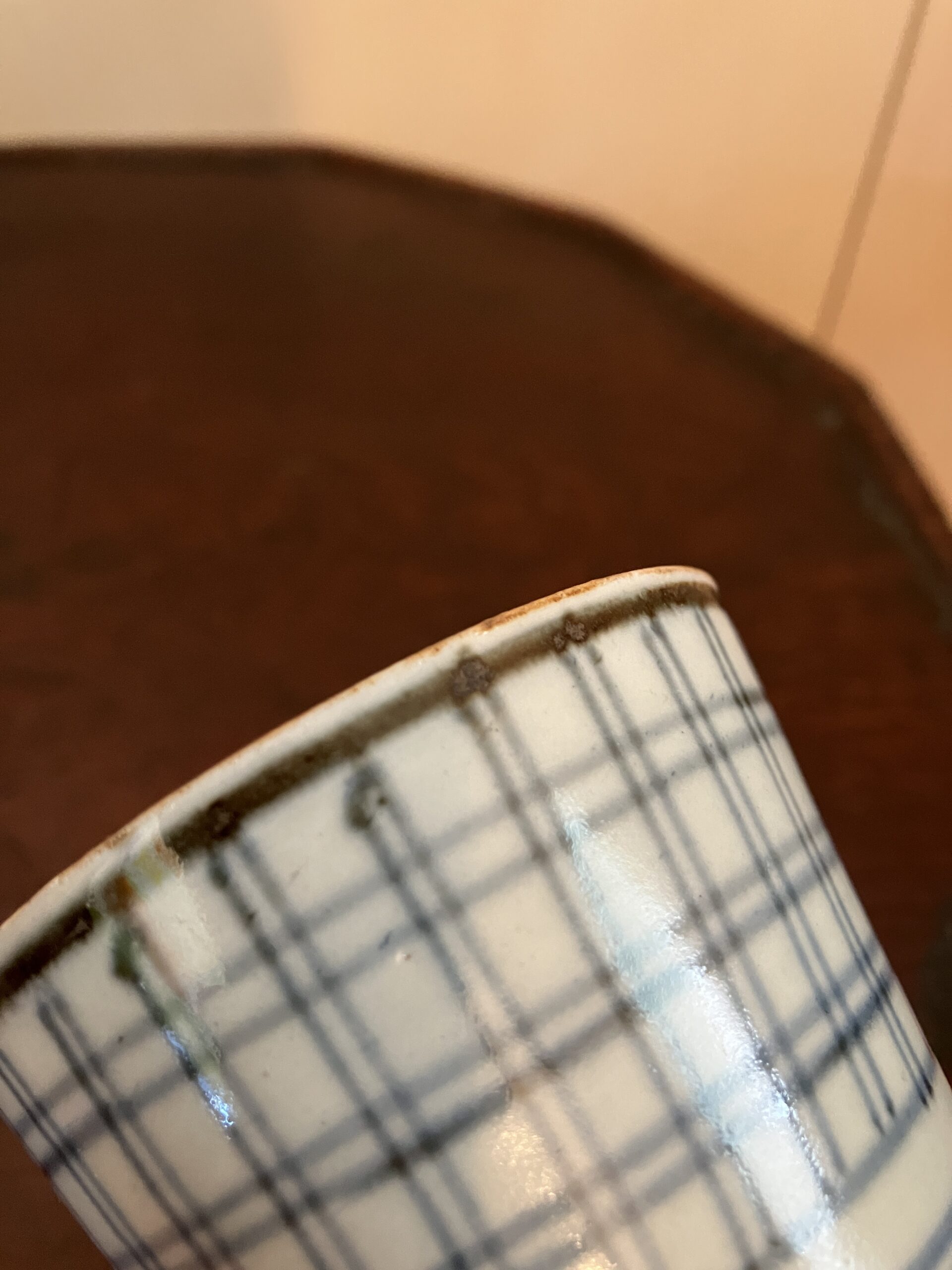
Ko-Imari
In the early 17th century, the first porcelain kiln in Japan was lit in Arita, Hizen Province. The earliest “Shoki-Imari” pieces were presented to tea masters and feudal lords, created to grace the interiors of domestic residences.
By the late 17th century, blue and white plates and soba cups enriched the lives of common people, while simultaneously, elaborate gold-decorated pieces and large dishes were fired to adorn the banquet tables of European royalty and nobility across the seas.
Vessels born from a single kiln connected the everyday with the exotic, tranquility with splendor—Ko-Imari embodies the very story of Japanese porcelain.
Soba Cup
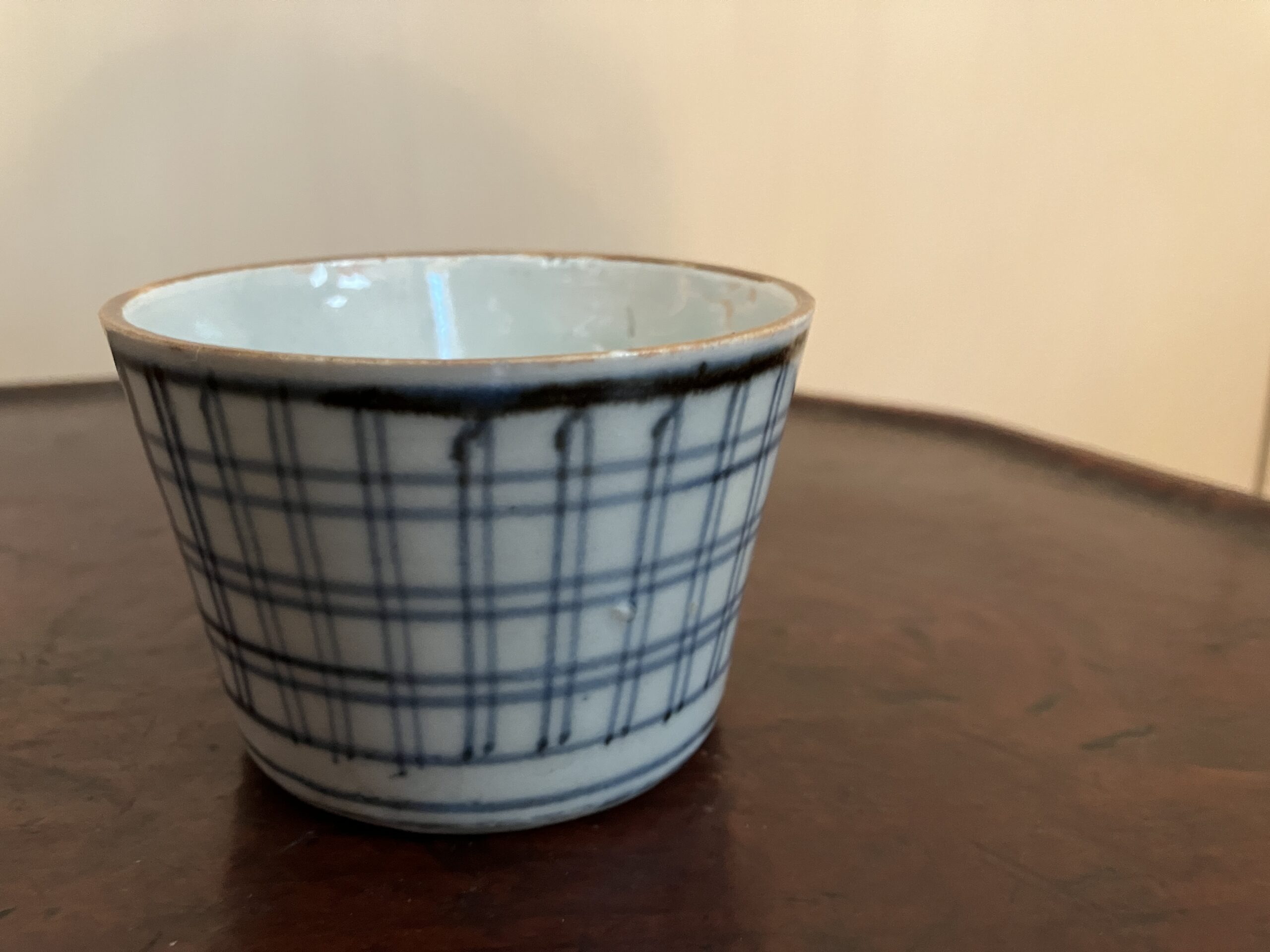
When the aroma of soba filled the streets of Edo, small vessels found their way into people’s hands. Cylindrical in shape, standing merely five or six centimeters tall—these were soba cups.
Born to hold soba dipping sauce, they also became sake cups for sharing drinks and small bowls supporting the dining table.
Blue and white floral and auspicious patterns added subtle joy to daily life, each piece harboring its own character. Though produced in large quantities, no two were identical—soba cups are small stages that convey the spirit of Edo to the present day.